
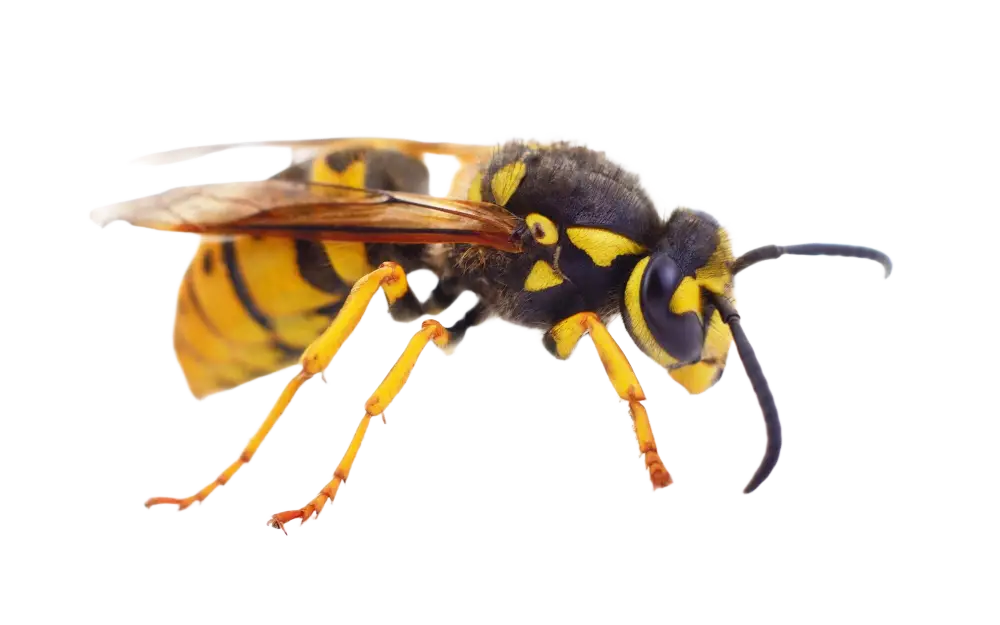
Immediately after a wasp sting: This is what you do
As a pest controller, I am regularly asked, especially in summer: “Johan, I've been stung by a wasp, what should I do?” The answer depends on the situation, but first let me tell you what to do right away. Because the first few minutes are important.
Step 1: Stay Calm And Remove The Angel (If There Is One)
First of all: stay calm. Panicking will only make things worse. Adrenaline increases your heart rate, and that spreads the poison through your body faster. So take a deep breath.
Is there a sting in your skin? Then you need to remove it. But beware: don't squeeze! If you squeeze, you squeeze more poison into your skin. What does work?
Scrape out the sting with a stiff object - your nail, a pass, a knife (flat side). Do this horizontally, as if you were scraping something off your skin. Do not pull or squeeze. Just scrape until the sting comes loose.
Note that wasps do not usually leave a sting behind (only bees do). But check anyway, because sometimes they do. If you don't see anything, there is probably no sting.
Step 2: Wash the sting with water and soap
Once the sting is out (or if there was no sting), wash the spot with lukewarm water and soap. This reduces the risk of infection. Wasps are not clean - they sit on rotting fruit, rubbish, cadavers. Their sting can transmit bacteria.
Pat the spot dry. Do not rub - this irritates the skin extra.
Step 3: Cool The Spot (Important!)
Here's the bottom line: cool the stitch immediately. Cold slows the spread of poison and reduces swelling and pain. The colder, the better (within reasonable limits, of course).
What can you use? An ice cube in a clean cloth, a cold pack from the freezer, a wet, cold cloth, a spoon you put in the freezer.
Keep the cold on the stinging spot for 10-20 minutes. Not directly on the skin (may cause frostbite damage), always through a cloth. Repeat every hour if pain returns.
Why does this work so well? Cold constricts blood vessels, making the poison spread more slowly. It also relieves pain and inhibits the inflammatory response.
Step 4: Relieve pain
If the pain is bad, you can take a painkiller. Paracetamol or ibuprofen both work well. Ibuprofen has an added benefit: it inhibits inflammation, which also reduces swelling.
Always follow the dosage on the package. Only give children medicines that are suitable for their age and weight.
You can also use an itch-relieving cream or gel. Antihistamine gel or calamine lotion help against itching. Don't scratch, even though it is tempting - scratching makes it worse and can lead to infection.
Would you like to ask a question or make an appointment?
Allergic reaction: symptoms and when to call 112
Okay, you have dealt with the stitch. But now it is important to monitor: Are you developing an allergic reaction? This is where things can get life-threatening. Let me explain what to watch out for.
Normal Reaction Versus Allergic Reaction
A normal reaction to a wasp sting is: pain at the sting site (burning, stinging), red, swollen spot (sometimes up to 10 cm in diameter), itching and warmth, pain that subsides after 1-2 hours.
This is annoying, but not dangerous. Most people have this reaction, and it goes away on its own in 1-2 days.
An allergic reaction is different. Your body reacts excessively to the toxin. It is not just local symptoms, but your whole body participates. And that can be life-threatening.
Mild Allergic Reaction
A mild allergic reaction is: swelling in places other than the sting (e.g. face, lips, eyelids), rash or red spots all over your body, itching all over your body, nausea or abdominal pain, dizziness.
What to do. Take an antihistamine pill (Cetirizine or Loratadine). Keep sitting or lying down. Monitor your symptoms closely. If it gets worse, call 112. If in doubt, call your GP.
Severe Allergic Reaction (Anaphylaxis): DIAL 112!
This is a medical emergency. Symptoms include: difficulty in breathing (wheezing, tightness of breath), swelling of throat or tongue (you feel as if you are being strangled), dizziness or fainting (drop in blood pressure), accelerated heartbeat, feeling anxious or like you are dying, cold sweat and pallor.
CALL 112 IMMEDIATELY IF YOU HAVE THESE SYMPTOMS! Say you have an anaphylactic reaction after a wasp sting. This is a medical emergency.
Lie down with your legs raised (unless you are short of breath, then sit up straight). If you have an EpiPen (adrenaline auto-injector), use it immediately as instructed. Stay with the person until the ambulance arrives. If the person loses consciousness and is not breathing, start CPR.
Do you have a known allergy? Take extra care!
If you know you are allergic to wasp sting (because you had a reaction before), you need to be extra careful. Your doctor has probably prescribed an EpiPen for you. Make sure you carry it with you at all times.
After a sting, even if you feel fine, use your EpiPen immediately and call 112. Don't wait for symptoms to get worse. With known allergy, every sting is a potential emergency.
I advise people with wasp venom allergy to take extra care in summer. Avoid places with lots of wasps, wear long clothes when you are outside, and warn those around you about your allergy so they know what to do in case of a sting.

Hazardous locations: Mouth, throat, multiple stabbing
There are situations where a wasp sting is more dangerous, even without an allergy. Location and number of stitches matter a lot. Let me explain to you when to act fast.
Stab In Mouth Or Throat: ALWAYS call 112!
This is the most dangerous scenario. If you get stung in your mouth, throat, or tongue, the swelling can pinch your windpipe shut. You can suffocate, even without an allergic reaction.
How does this happen? Usually by drinking from a glass or can that has a wasp in it. Or by eating fruit that has a wasp on it. The wasp stings you in your mouth, and within minutes it swells up.
What should you do? Call 112 immediately. Say you have been stung in your mouth or throat. Stay calm - panic worsens it. Suck on ice cubes or drink cold water (this slows down swelling). Sit up straight (helps breathing). Wait for the ambulance.
This is not a time to wait and see. I have heard stories of people who thought “it will pass”, and ended up having to have an emergency tracheotomy. Don't take any chances.
Multiple Stitches: Poison accumulation
One wasp sting is annoying but not dangerous. But if you get stung several times, the venom accumulates. From about 10-20 stings, it becomes dangerous, even for people without allergies.
What can happen? Nausea and vomiting, headache and dizziness, fever, rapid heartbeat, in extreme cases: organ damage (kidneys, liver).
If you have been stung more than 10 times, go to your GP or emergency room. They can monitor for complications and treat you if necessary. This is especially important in small children, the elderly, or people with heart conditions.
Children And Babies: Extra Vulnerable
Children are more vulnerable to wasp stings because they are smaller - the same venom has more effect. They are also not always able to tell what is wrong if they have an allergic reaction.
For children under 3 years old, I recommend always contacting the GP after a wasp sting. Not necessarily as an emergency, but for advice. If the child gets swelling outside the sting site, or feels unwell, go to the GP or emergency room immediately.
Monitor your child closely in the first hours after the sting. Allergic reactions can develop quickly, especially in children.
Would you like to ask a question or make an appointment?
Wasp sting prevention: Johan's tips
Of course, the best thing is not to get stung. As a pest controller, I see many wasp stings that could have been prevented. Let me give you my practical prevention tips.
Behaviour In Wasps: Do This And Don't Do This
DO: Stay calm as a wasp buzzes around you. Move slowly or stand still. Let the wasp fly away - they usually do so on their own. If a wasp is on you, let it crawl away quietly or gently blow it away.
DO NOT: Slapping at wasps (this makes them aggressive), Moving quickly or running away (attracts attention), Screaming or talking loudly (vibrations make them nervous), Blowing at a wasp (CO2 in your breath is an alarm signal to wasps).
Why does this work? Wasps only sting when they feel threatened. If you stay calm, they feel no threat. But if you hit or run, they think they are being attacked and sting.
Clothing And Fragrances
Wear light, solid colours. Wasps are attracted to bright colours and floral patterns (they think they are flowers). White, beige, light grey are safe colours.
Avoid strong odours: perfume, aftershave, hair products with strong scent, fruit-scented deodorant. Wasps can smell this from afar and will descend on it.
Do not wear loose clothing that wasps can crawl into. If a wasp gets into your shirt and you accidentally pinch it dead, its peers will sting in revenge. Seriously, they really do.
Eating And Drinking Outside
Always cover food when you are outside. Use covers, foil, or mosquito nets. Wasps cannot pass through cover, so this works perfectly.
Always look into your glass or can before drinking. Wasps like to crawl into soda cans - that sweet! Use a straw or pour your drink into a clear glass.
Clean up immediately after eating outside. Rubbish, leftovers, dirty dishes - wasps descend on these. The faster you clean up, the fewer wasps.
Do not eat overripe fruit outside. Wasps love fermenting fruit. If you eat peaches, grapes or melons outside, take extra care.
Specific Situations
By the pool: Wasps come to water to drink. They may crawl into your towel. Shake out your towel before using it.
When barbecuing: Meat and sweet sauces attract wasps. Keep food covered, and just expect wasps to come. Put a “distraction sign” a few metres away with something sweet - the wasps will go there and leave you alone.
Working in the garden: Wasps nest in the ground, in sheds, under gutters. If you reach a nest unexpectedly, run away quietly (do not swing wildly). If you are stung by several wasps at once, dive under water (swimming pool) or go inside and close doors and windows.
Do you have a litter? Do not go near it. Do not try to remove it yourself - it is life-threatening. Call me or another professional. We have protective clothing and the right tools. Every summer I see people who tried to remove a nest themselves and got stung by dozens of wasps. It's not worth it.
Frequently asked questions about Wasp stings
These are the questions I get most often about wasp stings. Is your question not among them? Feel free to call me for personal advice.
Immediate action: remove the sting if there is one (scrape, do not pinch), wash with soap and water, cool the stinging spot with ice in a cloth for 10-20 minutes. Repeat cooling every hour if pain returns. If necessary, take a painkiller (paracetamol or ibuprofen). Use itch-relieving gel if itching, and do not scratch. The pain and swelling decrease in 1-2 days. Keep the sting clean to prevent infection. Monitor for signs of allergic reaction (swelling outside sting site, rash, tightness of chest).
Call 112 immediately in case of: difficulty breathing, swelling of throat or tongue, dizziness or fainting, accelerated heartbeat with anxiety, sting in mouth or throat (danger of choking!), more than 10 stings at once. See your GP or emergency room if: swelling in places other than the sting, rash all over your body, nausea or vomiting, if you are a child under 3 who has been stung. A normal wasp sting does not require going to hospital - just cooling and treating at home is enough.
Normal reaction: pain, red swollen area at sting site, itching. This is safe. Allergic reaction (dangerous): swelling outside sting site (face, lips), rash all over body, itching everywhere, nausea, dizziness, and especially: difficulty breathing, swelling of throat, fainting, fast heartbeat. An allergic reaction usually starts within 15-30 minutes after the sting. If in doubt: call 112. In case of known allergy: use your EpiPen immediately and always call 112, even if you still feel fine.
Stab in mouth or throat is an emergency, even without allergy. Swelling can pinch your windpipe shut. Immediately: call 112, sit or stand quietly (panic worsens it), suck ice cubes or drink cold water (slows swelling), sit up straight (helps breathing). Wait for the ambulance and follow their instructions. Try to avoid this kind of sting by: always look into your glass before drinking, use a straw or clear glass, don't eat fruit outside without checking for wasps first.
Stay calm when a wasp buzzes around you - don't hit or run. Wear light colours (no bright or floral patterns). Avoid strong odours (perfume, deodorant). Cover food when eating outside. Always look into your glass before drinking. Clean up immediately after eating outside. Do not walk barefoot in the grass (wasps sometimes sit on the ground). Don't go near wasp nests. If you have a nest, don't try to remove it yourself - call a professional. Near many wasps: stay calm, move away slowly, close windows and doors of your house.
Make an appointment with a professional pest controller now
Make an appointment with our certified pest controllers now! If you complete the form below, we will contact you to make an appointment directly make