
Recognising cockroaches: what species do we have in the Netherlands?
Fortunately, I don't get to deal with cockroaches in the house as with bedbugs or mice. But when I encounter them, it's always a serious problem. Because cockroaches are not only disgusting - they are also dangerous to your health. Let me explain what we encounter in the Netherlands.
German cockroach: Most common by far
95% of the cockroaches I see in Dutch homes is the German cockroach. Small beast, big problem. How do you recognise them?
Size and colour: 12-15 millimetres long (about the size of your thumbnail). Light brown to yellowish brown. Two dark stripes on the back, just behind the head.
Where to find them: Kitchens (their favourite place), bathrooms, behind refrigerators and cookers, in cupboards with food, near water pipes and heating pipes.
Why are they such a problem? They multiply at lightning speed. A female produces 4-8 egg capsules in her lifetime, each containing 30-40 eggs. Do the math: one pregnant female can lead to thousands of cockroaches in a few months.
Oriental cockroach: The Great Dark One
I see these mostly in basements, sewers and old buildings. Larger and slower than the German cockroach.
Size and colour: 20-25 millimetres (as big as your thumb). Dark brown to black. Glossy carapace. Adult females have shorter wings and cannot fly.
Where to find them: Basements and souterrains, sewers and drains, outside under compost heaps and in gardens, damp, dark places.
This species is slower to multiply, but more persistent to control. They can go months without food.
American Cockroach: The Giant (Rare)
I see these very occasionally in the Netherlands, usually in large buildings with sewers or heating systems. It is the largest species we have here: up to 40 millimetres long (as big as your index finger!). Reddish-brown. Can (and does) fly.
Fortunately, they are rare in homes. I see them mostly in industrial buildings, hospitals or large office buildings.
Would you like to ask a question or make an appointment?
Traces of cockroaches: Here's what to look out for
The tricky thing about cockroaches? You rarely see them during the day. They are nocturnal animals that hide during the day. But they do leave distinct tracks. And I see those tracks before the critters themselves.
Droppings: The First Sign
Cockroach droppings are often the first thing I see on inspection. It looks like ground black pepper or coffee grounds: small black or dark brown grains (1mm). In German cockroaches: small dots. In Oriental cockroaches: larger grains, cylindrical.
Where do you find it? In cupboards where food stands, behind cookers and fridges, in drawers and along baseboards, in corners of cupboards and behind appliances.
Tip: If you see brown smears on vertical surfaces (walls, cupboards), you have a major infestation. These are liquid droppings.
Egg capsules: Evidence of Reproduction
Cockroaches lay their eggs in a capsule - we call it an ootheca. It looks like a small, brown capsule (5-10mm long). German cockroach: light brown, oval-shaped, with ridges. Oriental cockroach: dark brown, larger, more rectangular.
Where do you find them? In dark, sheltered places: behind kitchen cupboards, in cracks and crevices, under countertops, behind appliances.
If you find egg capsules, you know for sure that cockroaches are breeding. If so, call me immediately - don't wait until you see them walking around.
Smell: At Great Plague
Cockroaches produce pheromones that have a specific smell. In a small infestation, you won't smell it. But with a large infestation? Then your kitchen smells musty, oily, a little sweet-sour. Some people say mouldy.
If you smell that odour, you have a serious problem. Call a professional immediately.
Live or Dead Cockroaches
Do you see cockroaches walking around during the day? Then you have a major infestation. Cockroaches are nocturnal animals. If they walk during the day, it means their shelters are so full that they have no room left.
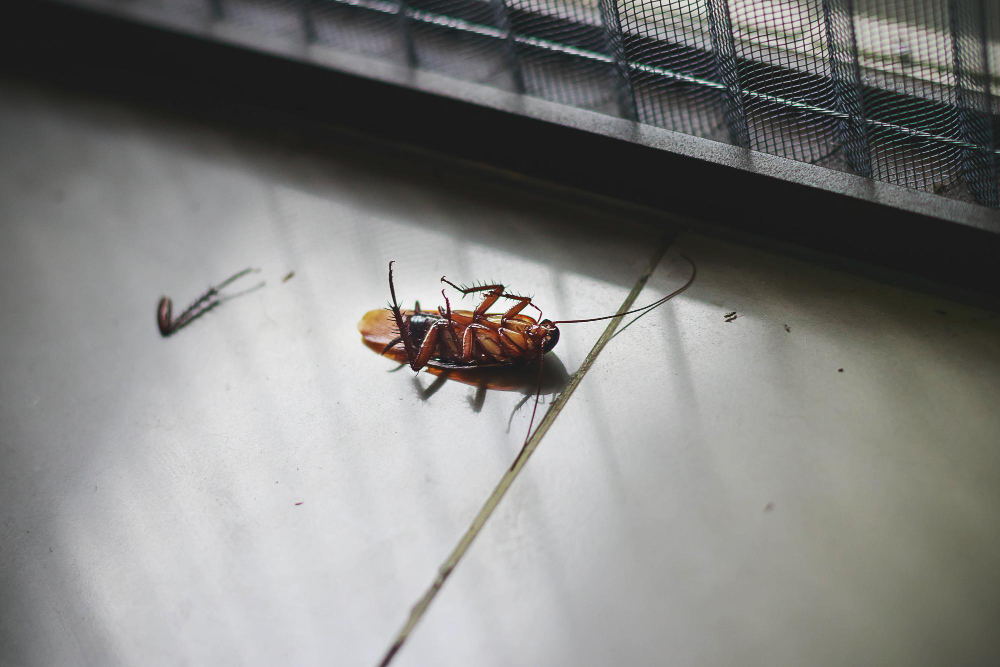
Finding dead cockroaches is also a sign. They don't just die - if you find dead cockroaches, there are probably many living ones.

Where do cockroaches hide?
If you want to know if your cockroaches in the house you need to know where to look. Because cockroaches are masters of hiding. After 20 years, I know exactly where to look.
The Kitchen: cockroach paradise
The kitchen is their favourite place. Why? Food, water, warmth - everything they need. Where in the kitchen?
Behind devices: Behind and under the fridge (hot and dark), behind the cooker (food and heat), behind the dishwasher (moisture and heat), behind the microwave.
In cabinets: Especially cupboards with food, under the sink (moisture), corners and crevices in cupboards, behind loose sticky foil or wallpaper.
For pipes: Around water pipes (moisture), near heating pipes (heat), in holes where pipes go through.
Bathroom and toilet
Moisture attracts cockroaches. You find them in bathrooms: behind the washer and dryer, under the sink, behind the toilet, in the cabinet under the sink, in cracks near tiles.
Hidden Places
Cockroaches also hide in places you don't frequent: behind skirting boards and mouldings, in electrical appliances (toaster, coffee maker!), in cardboard boxes (they also eat cardboard), behind paintings and clocks, in sockets and switches.
Want to check if you have cockroaches? Do this at night. Go to the kitchen, turn on the light, and take a quick look around. See something brown scurrying away? Those are cockroaches.
Would you like to ask a question or make an appointment?
Why are cockroaches so dangerous?
This makes me serious: cockroaches are not only disgusting, they are a real health hazard. More than most other pests. Let me explain why.
Disease spreaders
Cockroaches walk everywhere: through sewers, drains, dustbins, compost. And then they walk all over your kitchen counter, your food, your plates. What do they spread? Salmonella (food poisoning), E. coli (diarrhoea and worse), dysentery, typhoid, and more than 30 other bacteria.
I have seen catering establishments closed by the food authority because of cockroaches. Rightly so. You can get really sick of them.
Allergies and Asthma
Many people do not know this: cockroaches are one of the main triggers for asthma and allergies. Their faeces, saliva and shed skin contain allergens. These float through the air and you inhale them.
Children are especially sensitive. I have helped families where children were constantly stuffy. After getting rid of cockroach infestation: big difference. Studies show: 40-60% of people with asthma are allergic to cockroach allergens.
Food contamination
Cockroaches eat everything. AND they defecate everywhere. If you have cockroaches in your kitchen, all your food is contaminated. Even packaged food - they nibble through cardboard and plastic. I always advise after a cockroach control: throw away all your non-hermetically wrapped food. Yes, that costs money. But the alternative is food poisoning.
Psychological Impact
Cockroaches in your home feels like an invasion. You feel ashamed (rightly or wrongly). You don't dare ask for visitors anymore. You are constantly cleaning. I see clients who are stressed and exhausted. And I get that. Nobody wants cockroaches in their house.
Frequently asked questions about Recognising cockroaches
I often get these questions about cockroaches. Want to know more? Call me for expert advice.
Most people see the spores first, not the bugs themselves. What to look for: small black dots (excrement) in cupboards and behind appliances, brown oval capsules (egg capsules), musty, oily smell in the kitchen, and do you see them walking around during the day? Then you have a major infestation. The best little test: go to the kitchen at night, quickly turn on the light. Do you see brown critters scurrying away? Those are cockroaches. If you see one cockroach, there are certainly dozens to hundreds you don't. Call a professional immediately.
Cockroaches usually enter through: groceries (boxes, bags, packaging), second-hand appliances (refrigerators, microwaves - always check first!), sewers (especially Oriental cockroaches), neighbours in flats (through pipes and walls), and wood and cardboard from outside. Important: cockroaches have NOTHING to do with filth. I see them in the cleanest houses. They seek food, water and warmth - which every kitchen has. Once inside, they multiply at lightning speed. Prevention is difficult, but early detection is crucial.
Yes, very. Cockroaches are one of the most dangerous pests to your health. They spread: salmonella, E. coli, dysentery, and more than 30 other bacteria and parasites. Their droppings cause asthma and allergies (40-60% of asthma patients are allergic). They contaminate food - including packaged food. This is not an exaggeration. The food authority closes restaurants in case of cockroaches. You can get really sick from them. Therefore: if cockroaches are suspected, professional control immediately. This is not a pest you ignore.
It depends on the species. German cockroaches (the most common) cannot fly. They have wings but don't use them. Oriental cockroaches cannot fly either. Females have short wings. American cockroaches can and do fly. Fortunately rare in the Netherlands. What is important: all cockroaches can run fast. A German cockroach runs 1.5 metres per second. That's why you see them shooting away so fast when you turn on the light. They are also good climbers - they run vertically along walls.
My advice in steps: DO NOT crush it - by doing so you may spread eggs. Catch it in a jar or box if you can (helps me identify it). Call a professional immediately - don't wait. If you see one, there are many more. Clean your kitchen: tidy up food, empty bin, clear crumbs. Check behind appliances: do you see more traces? Seal food in plastic containers. Don't wait for professional help. Every day counts - cockroaches multiply at lightning speed. One female can lead to thousands of offspring in 3 months.
Make an appointment with a professional pest controller now
Make an appointment with our certified pest controllers now! If you complete the form below, we will contact you to make an appointment directly make